
What Is a Connected Bathroom?
A connected bathroom integrates IoT-enabled devices that communicate through Wi-Fi, Bluetooth, or smart home hubs.
These devices can:
Sync with mobile apps
Respond to voice assistants
Automate routines
Share data across systems
The result? A personalized, hands-free environment that adapts to your schedule and preferences.
1. The Smart Mirror: The Heart of the Vanity
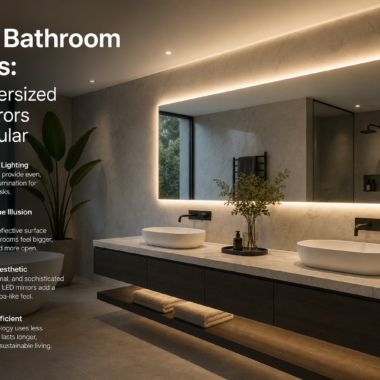
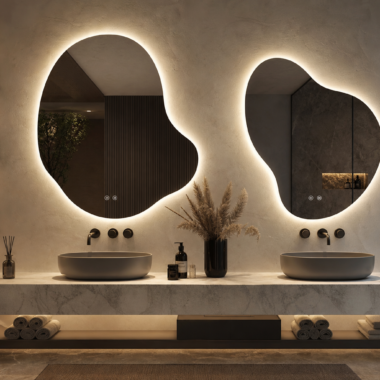
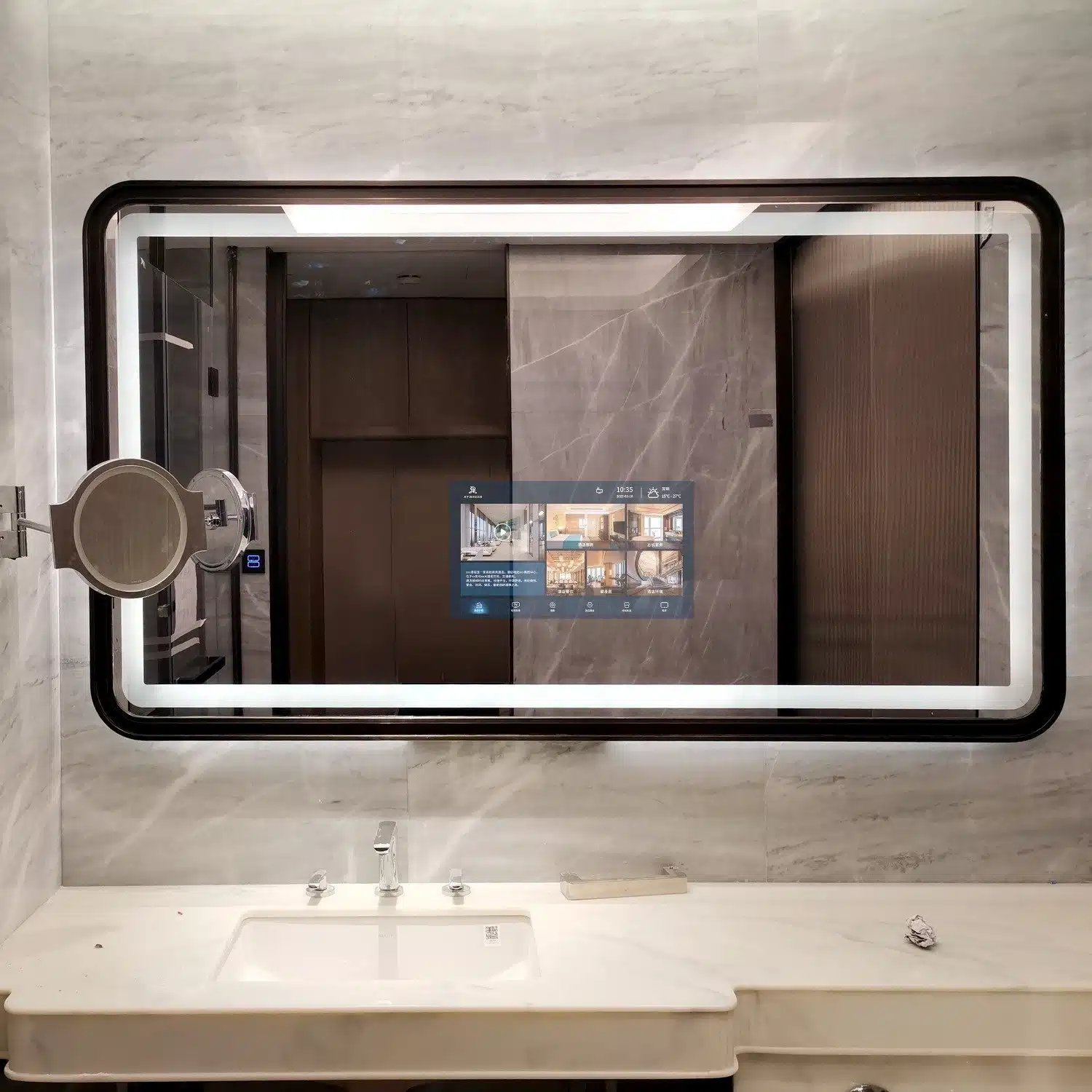
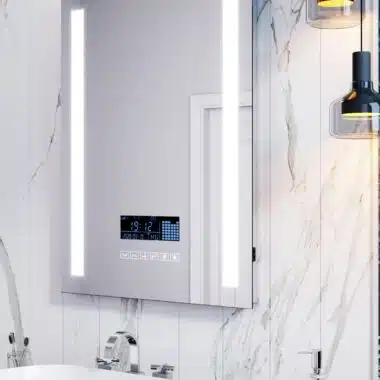
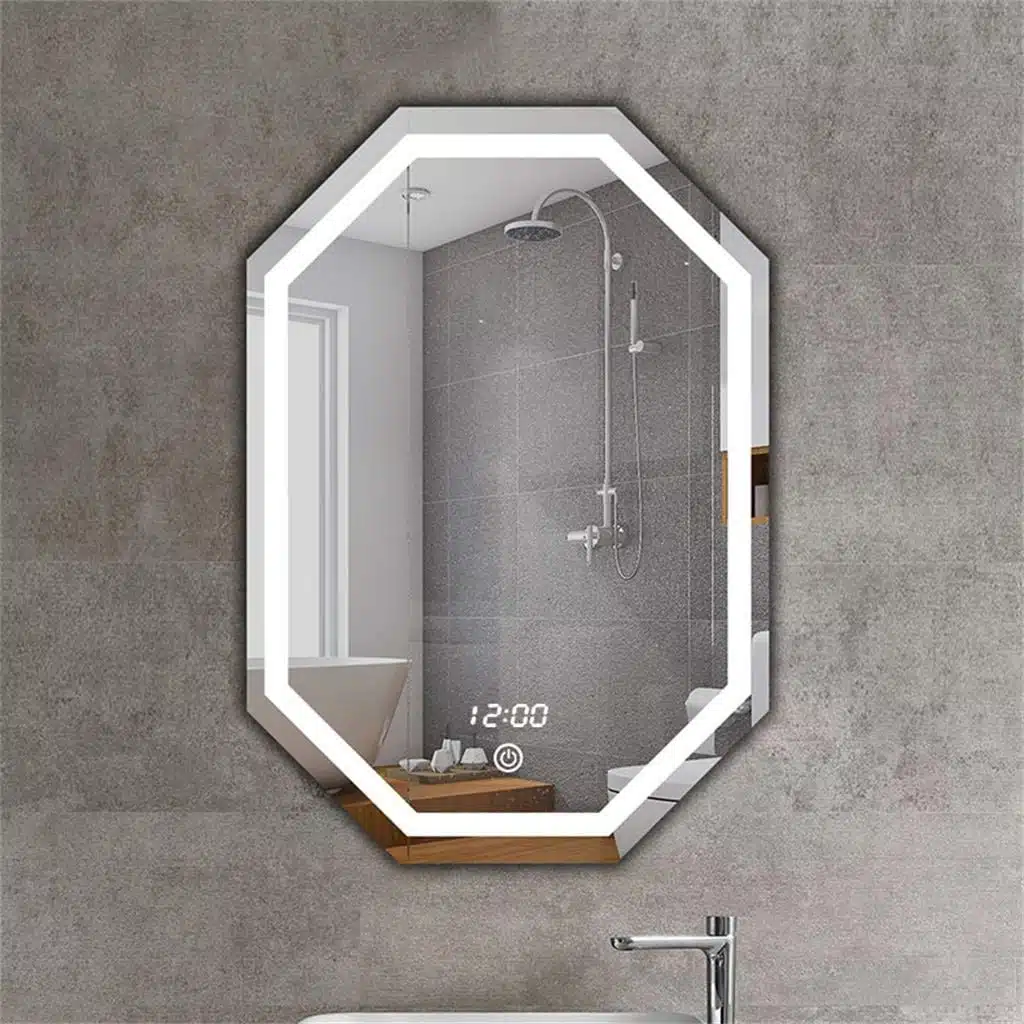
At the center of a connected bathroom is the smart mirror.
Modern smart mirrors can include:
✔ LED lighting with adjustable color temperature
✔ Touch or voice controls
✔ Built-in displays (time, weather, calendar)
✔ Bluetooth speakers
✔ Anti-fog technology
Instead of checking your phone, your mirror becomes your morning dashboard.
2. Smart Lighting Systems
Connected lighting allows you to:
Automate brightness based on time of day
Shift color temperature for mornings vs. evenings
Sync vanity lights with ceiling fixtures
Control everything through voice or app
For example:
Bright neutral light at 6 AM
Warm dimmed lighting at 10 PM
Lighting becomes adaptive — not static.
3. Voice Control Integration
Smart bathrooms often integrate with:
Voice assistants
Smart home hubs
Mobile control apps
You can say:
“Turn on mirror light to 50%.”
“Activate anti-fog.”
“Play morning playlist.”
Hands-free control is especially useful during grooming routines.
4. Smart Showers & Faucets
IoT extends beyond the mirror.
Smart shower systems allow you to:
Set exact water temperature
Preheat remotely
Track water usage
Create personalized profiles
Smart faucets can:
Reduce water waste
Offer touchless activation
Monitor consumption
Efficiency meets sustainability.
5. Connected Climate & Ventilation
Humidity sensors and smart fans automatically activate when needed, preventing:
Mirror fogging
Mold buildup
Excess moisture damage
Automation improves both comfort and maintenance.
6. Benefits of a Connected Bathroom
Convenience
Automated settings reduce manual adjustments.
Time Efficiency
Morning routines become streamlined.
Energy Savings
Smart lighting and water controls reduce waste.
Customization
Personalized profiles adjust lighting, music, and temperature instantly.
Modern Aesthetic
Integrated tech creates a sleek, luxury environment.
How to Build a Connected Bathroom (Step-by-Step)
Step 1: Start with a Smart Mirror
Choose a model with:
Adjustable LED lighting
Wi-Fi or Bluetooth connectivity
Anti-fog feature
Step 2: Upgrade Lighting to Smart Bulbs or Systems
Ensure compatibility with your smart home platform.
Step 3: Add Voice Assistant Integration
Connect devices through a central hub or ecosystem.
Step 4: Incorporate Smart Shower or Faucet Controls (Optional)
Ideal for full automation.
Step 5: Ensure Strong Wi-Fi Coverage
A connected bathroom relies on stable internet.
Is a Connected Bathroom Worth It?
For tech-savvy homeowners, busy professionals, and smart home enthusiasts — absolutely.
While initial costs may be higher, the long-term benefits include:
Enhanced convenience
Improved efficiency
Elevated property value
Daily comfort upgrades
It’s less about luxury — and more about intelligent design.
FAQs
What devices are needed for a connected bathroom?
At minimum: a smart mirror and smart lighting. Optional upgrades include smart showers, faucets, and voice integration.
Do smart bathroom devices require Wi-Fi?
Most IoT features require Wi-Fi, but basic lighting functions may still operate offline.
Are connected bathrooms energy-efficient?
Yes. Automation reduces unnecessary lighting and water usage.
Can I build a connected bathroom gradually?
Absolutely. Start with a smart mirror and expand over time.
Final Thoughts
The Internet of Things is no longer limited to living rooms and kitchens. The bathroom — especially the vanity — is becoming a central hub of smart home integration.
By combining lighting, voice control, water management, and automation, a connected bathroom transforms daily routines into streamlined, personalized experiences.
The future of home design isn’t just stylish — it’s smart.
Recommended Products
Based on this article, you might also like: