What Is an LED Mirror?
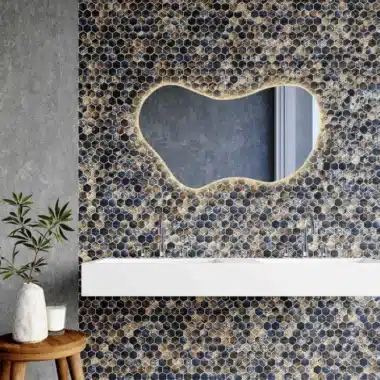
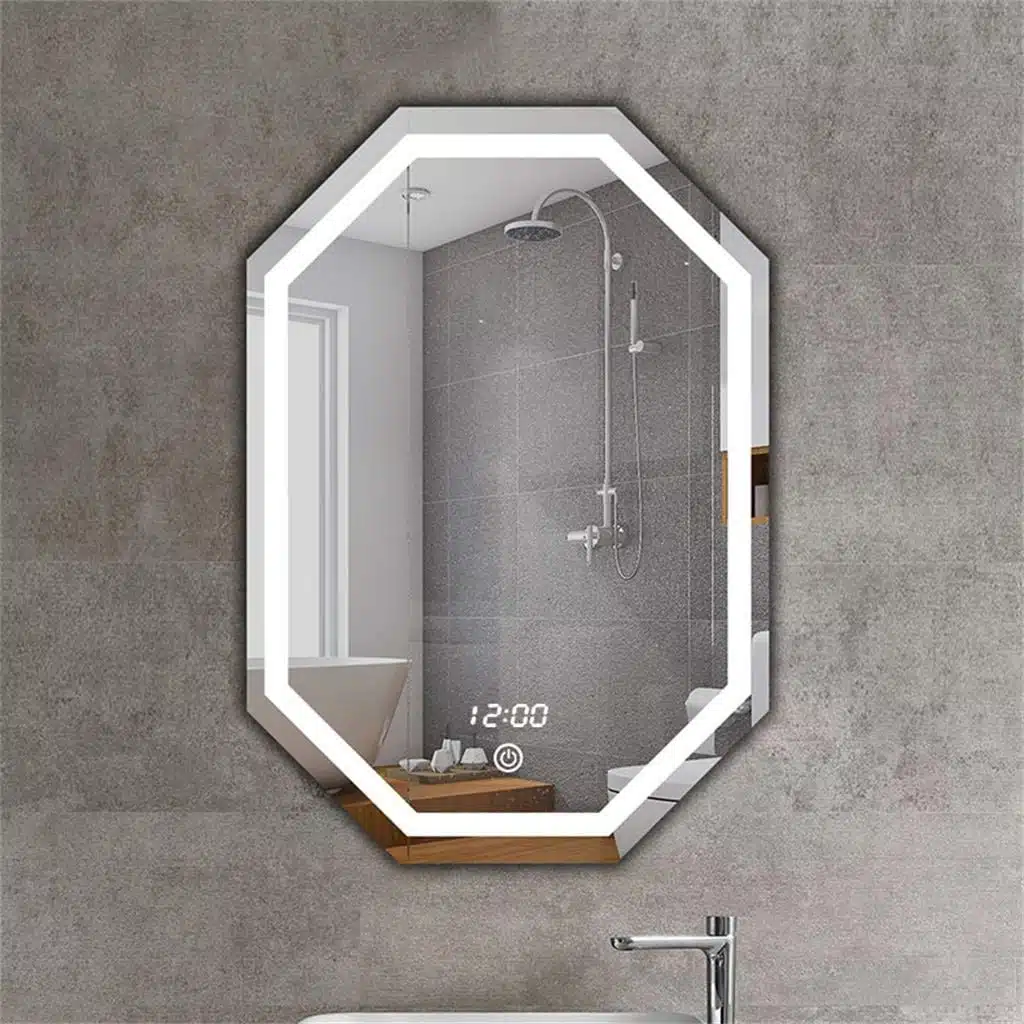
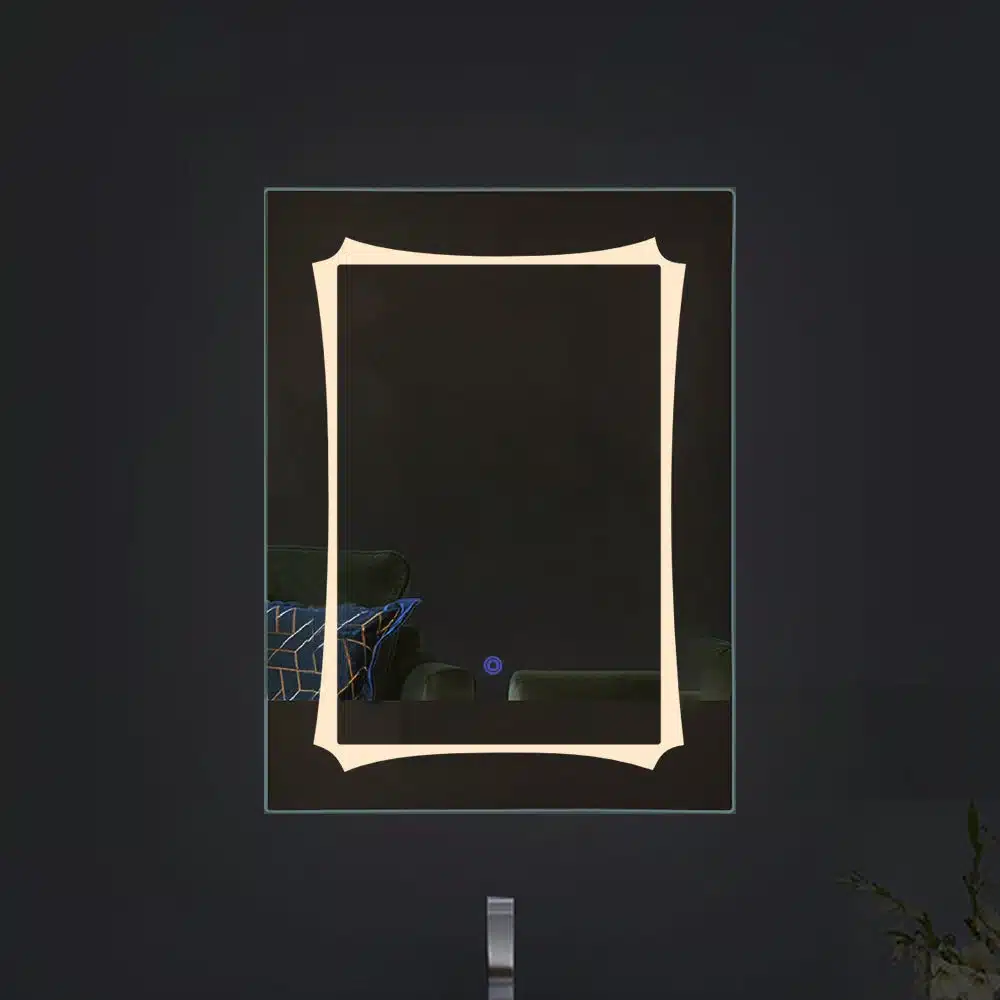
An LED mirror is a mirror with built-in light-emitting diode (LED) strips integrated into or behind the glass.
Unlike traditional mirrors paired with overhead lighting, LED mirrors provide:
Front-facing illumination
Even light distribution
Energy-efficient brightness
Modern aesthetic appeal
They combine reflection and lighting into one streamlined fixture.
Step 1: Choose the Right Size
Size is the first and most important decision.
General Sizing Rules
✔ Match the mirror width to your vanity
✔ Leave 1–2 inches of space on each side
✔ Consider ceiling height
For small bathrooms, a slightly wider mirror can create the illusion of more space.
Step 2: Decide Between Frameless or Framed
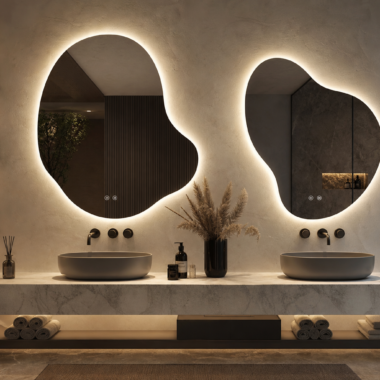
Frameless LED Mirrors
Clean, modern look
Ideal for minimalist interiors
Make small bathrooms feel larger
Framed LED Mirrors
Add contrast and personality
Work well in industrial or luxury designs
Create visual structure
Choose based on your interior style.
Step 3: Understand Color Temperature (Kelvin)
Color temperature affects how light appears.
3000K: Warm, soft glow
4000K: Neutral white (best for everyday grooming)
5000K: Bright daylight
If possible, choose a mirror with adjustable color temperature for flexibility.
Step 4: Check the CRI Rating
CRI (Color Rendering Index) measures how accurately light shows colors.
✔ Look for CRI 90+ for makeup and grooming precision
✔ Lower CRI may distort skin tones
High CRI ensures your appearance looks consistent indoors and outdoors.
Step 5: Evaluate Brightness (Lumens)
Lumens measure brightness output.
For most bathrooms:
1,500–3,000 lumens is sufficient
Too dim → Poor visibility
Too bright → Harsh glare
Balance is key.
Step 6: Consider Must-Have Features
Anti-Fog Technology
Prevents condensation after showers.
Dimmable Lighting
Adjust brightness for morning vs. evening.
Touch or Motion Sensors
Modern, seamless control.
RGB Lighting
Adds ambiance and mood customization.
Not every feature is essential — prioritize based on your lifestyle.
Step 7: Verify IP Rating for Bathroom Safety
IP rating indicates moisture resistance.
✔ Look for IP44 or higher for bathroom installation.
Safety should never be overlooked.
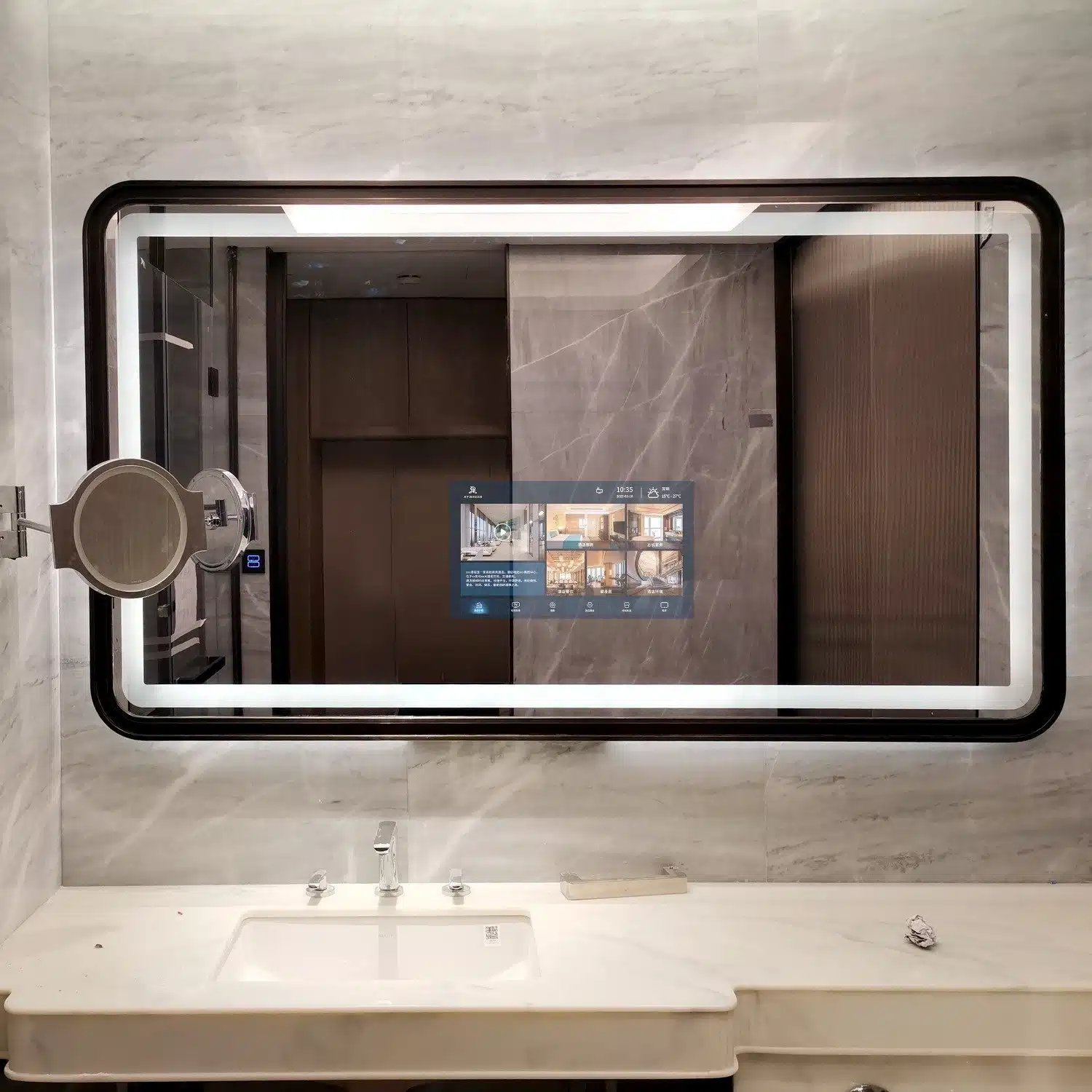
Step 8: Decide If You Want Smart Features
Smart LED mirrors may include:
Bluetooth speakers
Wi-Fi connectivity
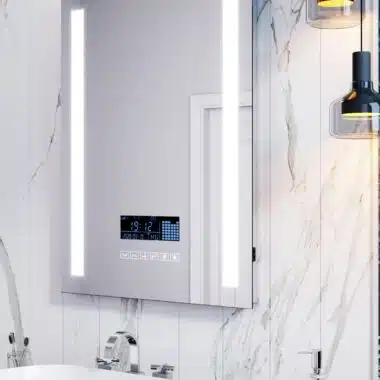
Digital display (time, weather)
Voice assistant integration
If you prefer simplicity, a standard LED mirror may be enough.
Step 9: Installation Considerations
Before purchasing, confirm:
Power source location
Hardwired vs. plug-in model
Wall strength for mounting
Professional installation requirements
Planning ahead prevents surprises.
Step 10: Set a Realistic Budget
Entry-level models: Basic lighting + anti-fog
Mid-range models: Adjustable color + dimming
Premium models: Smart features + RGB + display integration
Choose based on functionality — not just aesthetics.
Common Mistakes First-Time Buyers Make
Ignoring CRI rating
Choosing the wrong size
Overlooking brightness levels
Buying without checking IP rating
Prioritizing RGB over white task lighting
Avoid these pitfalls to make a smarter purchase.
Is an LED Mirror Worth It?
Yes — if you value:
Improved grooming precision
Modern design
Energy efficiency
Long-term durability
Enhanced daily routine
For many homeowners, upgrading to an LED mirror is one of the most impactful bathroom improvements.
FAQs
What is the best color temperature for an LED mirror?
Neutral white (4000K) is ideal for everyday use.
Are LED mirrors expensive to run?
No. LED technology is energy-efficient and long-lasting.
Can LED mirrors replace overhead lighting?
Often yes, but pairing with soft ambient lighting is ideal.
How long do LED mirrors last?
Typically 30,000–50,000 hours depending on quality.
Final Thoughts
Buying your first LED mirror doesn’t have to be complicated. Focus on size, lighting quality, safety rating, and features that match your routine.
When chosen correctly, an LED mirror doesn’t just upgrade your bathroom — it upgrades your daily experience.