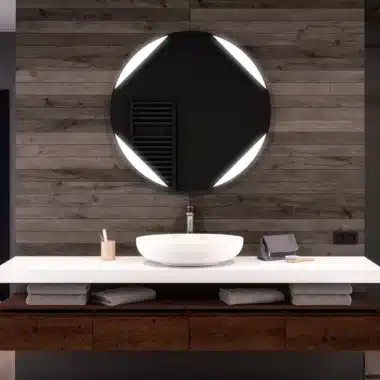
Why Bathroom Mirror Lighting Matters More Than You Think
Impacts grooming accuracy
Affects overall bathroom aesthetics
Influences perceived space
Impacts daily confidence
#1: Relying Only on Overhead Lighting
Creates downward shadows
Causes dark eye areas
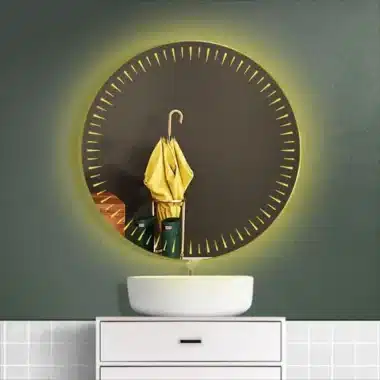
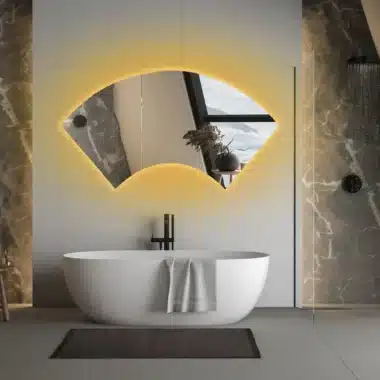
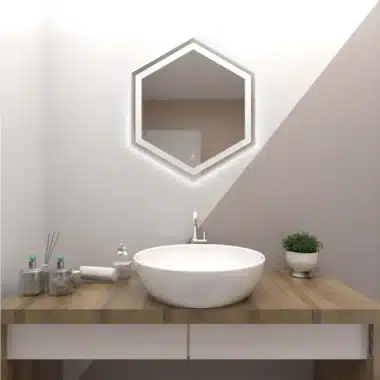
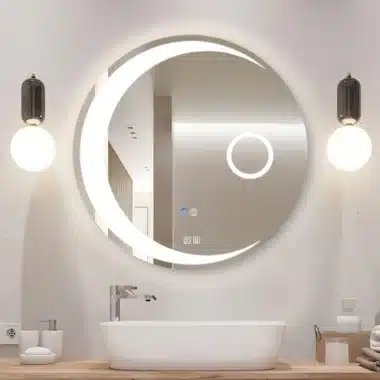
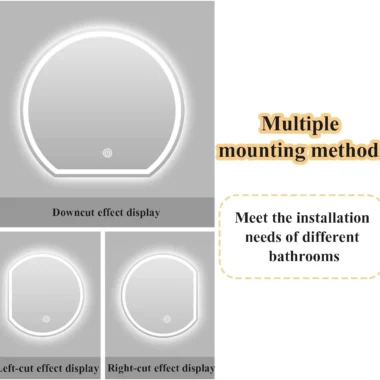
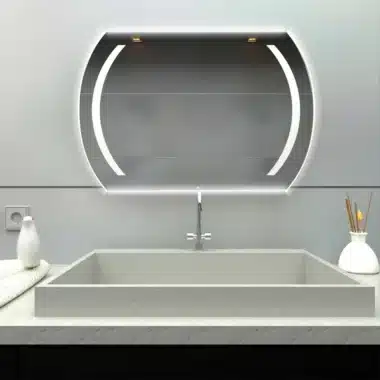
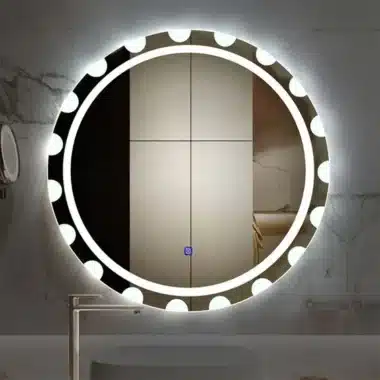
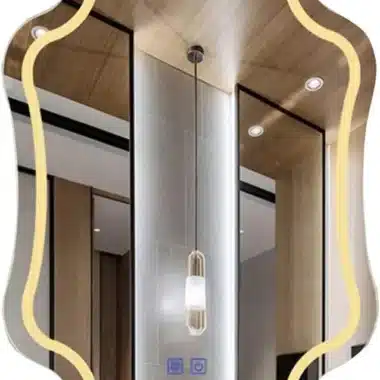
Fix: Add side lighting or backlit mirrors
#2: Placing Lights Too High Above the Mirror
Harsh facial shadows
Uneven light distribution
Proper height guidelines
#3: Ignoring Side Lighting
Importance of even face illumination
Sconce placement tips
Ideal spacing recommendations
#4: Choosing the Wrong Color Temperature
2700K vs 3000K vs 4000K
Why 3500K–4000K works best for grooming
Avoiding overly cool or overly warm tones
#5: Not Considering Mirror Size and Scale
Mirror width vs vanity width
Lighting proportionality
Double vanity considerations
#6: Creating Glare with Poor Placement
Reflection angles
Matte vs glossy surfaces
Diffused lighting importance
#7: Skipping Dimmers or Adjustable Lighting
Day vs night lighting needs
Energy efficiency
Flexibility benefits
Bonus: Why LED Mirrors Solve Multiple Lighting Problems
Even light distribution
Anti-fog functionality
Built-in dimming
Clean, modern aesthetic
The Ideal Bathroom Lighting Formula
Layered lighting strategy
Ambient + task + accent
Lumens recommendation
Placement diagram explanation
Final Thoughts – Lighting Can Make or Break Your Bathroom
Design + functionality balance
Long-term value
Smart upgrades
FAQs (Optimized for AEO & Voice Search)
Should bathroom lights go above or beside the mirror?
What is the best color temperature for bathroom mirrors?
How bright should bathroom mirror lighting be?
Are backlit mirrors enough for grooming?
Can I fix bad lighting without rewiring?
This topic performs especially well for:
DIY blogs
Renovation guides
Interior design websites
Affiliate lighting content
Pinterest traffic
YouTube cross-promotion