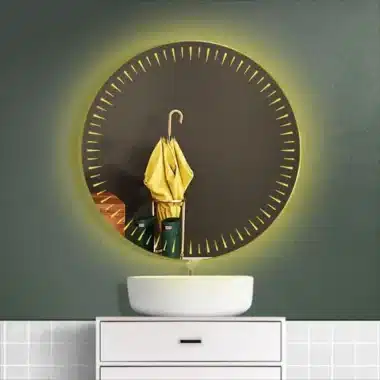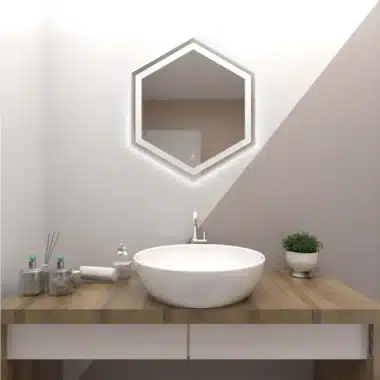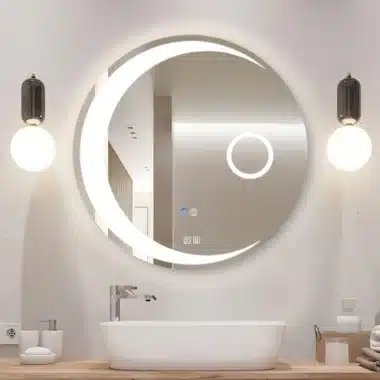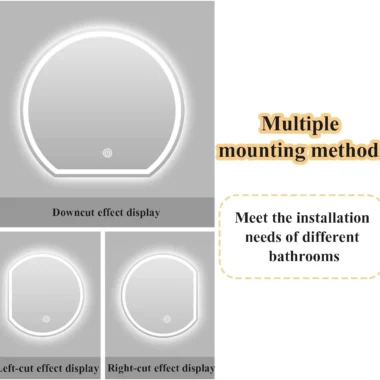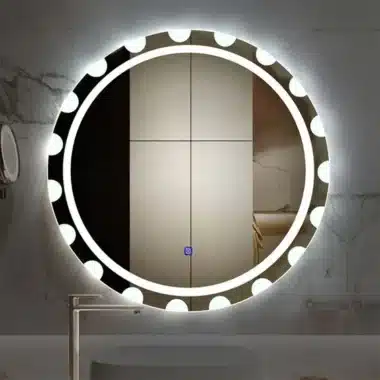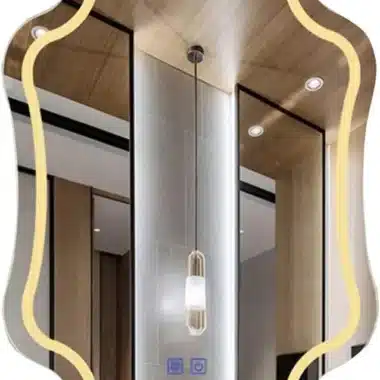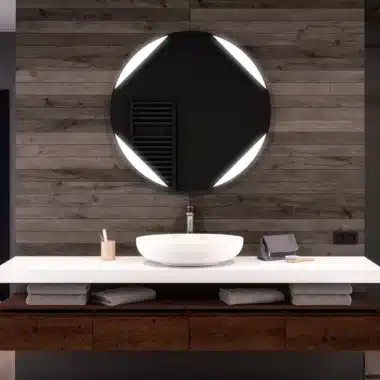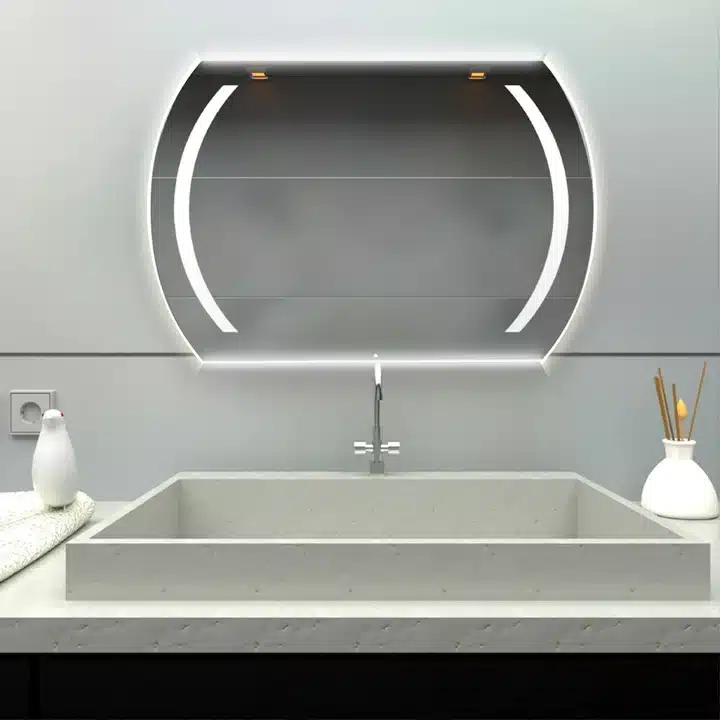
What Is a Smart Mirror?
Definition
Difference between LED mirror vs smart mirror
Growing trend in modern homes
#1: Perfect Lighting Control
Adjustable brightness
Multiple color temperatures
High CRI lighting
Automatic light adjustment
Why it matters: grooming precision + mood lighting
#2: Built-In Anti-Fog Technology
Instant defogging
Post-shower usability
Energy efficiency
#3: Voice Control Integration
Compatibility with smart assistants
Hands-free operation
Morning routine efficiency
#4: Bluetooth Speakers & Audio Sync
Music streaming
Podcast listening
Multi-room sync
#5: Integrated Touchscreen Display
Weather updates
Calendar view
News feed
Smart notifications
#6: Health & Wellness Tracking
Skin analysis
Hydration reminders
Posture correction
Sleep tracking integration
#7: Smart Home Integration
Sync with lighting systems
Connect with thermostats
Motion sensors
Energy monitoring
#8: Customizable User Profiles
Personalized lighting
Individual settings
Saved preferences
#9: Built-In Magnification Zone
Seamless magnified section
Adjustable zoom levels
Distortion-free glass
#10: Minimalist, Frameless Design
Ultra-thin profile
Clean aesthetic
Timeless appeal
Features That Sound Cool (But May Not Be Necessary)
Overcomplicated app ecosystems
Excessive notifications
Overly futuristic styling
Are Dream Smart Mirrors Worth the Investment?
Cost vs benefit
Longevity
ROI impact
Luxury lifestyle value
Final Thoughts – The Future of Smart Bathrooms
Technology + design balance
Practical luxury
Future-proof upgrades
FAQs (Optimized for AEO & Voice Search)
What are the best features in a smart mirror?
Do smart mirrors require Wi-Fi?
Are smart mirrors safe in bathrooms?
How much does a smart mirror cost?
Can smart mirrors be installed easily?
This topic performs strongly for:
Smart home blogs
Tech lifestyle websites
Luxury home content
Pinterest + Instagram
Affiliate marketing
CES trend-style content