Why Winter Affects Your Mood
Reduced daylight hours
Circadian rhythm disruption
Lower serotonin production
Connection to Seasonal Affective Disorder (SAD)
The Science Behind Lighting and Mood
Blue-enriched light and alertness
Light intensity (lux levels)
Timing of exposure
Impact on melatonin production
The Best Types of Lighting for Winter Mood Support
Natural Daylight Simulation (5000K–6500K)
Mimics outdoor daylight
Best for morning routines
Warm Ambient Lighting (2700K–3000K)
Cozy evening relaxation
Reduces stress
Layered Lighting Strategy
Overhead + task + accent
Avoid harsh shadows
Light Therapy Lamps
10,000 lux recommendation
Safe usage guidelines
How to Upgrade Your Home Lighting This Winter
Swap out dim bulbs
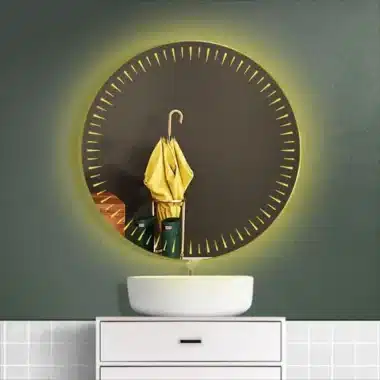
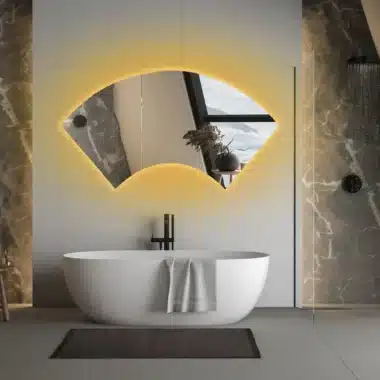
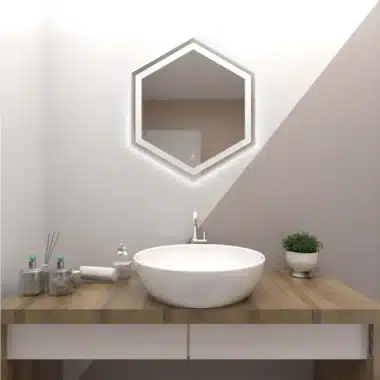
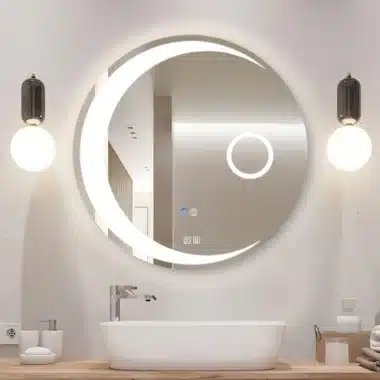
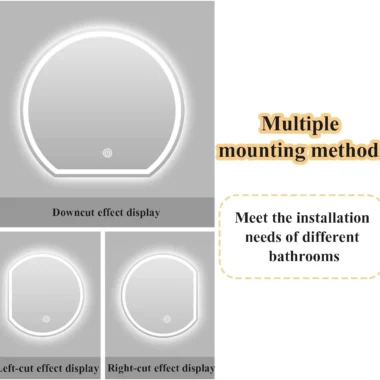
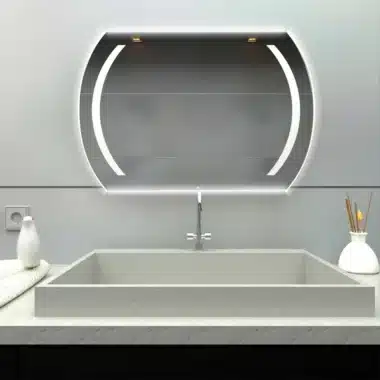
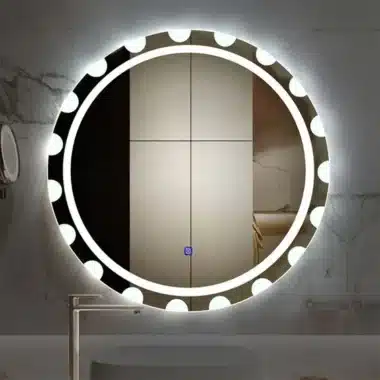
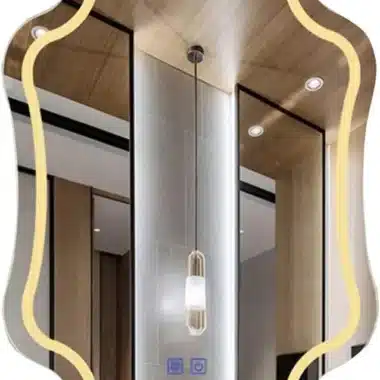
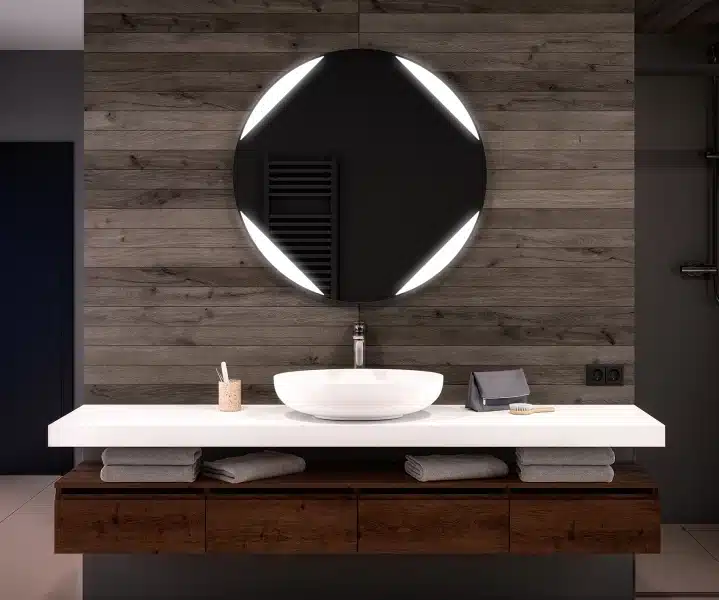
Add LED mirrors in bathrooms
Use smart bulbs for brightness control
Increase lumens in workspaces
Position lighting strategically
Morning Lighting = Stronger Start to the Day
Bright exposure within first hour
Bathroom lighting upgrades
Desk lighting for remote workers
Evening Lighting for Better Sleep
Avoid harsh blue light at night
Dimmer switches
Warm light after sunset
Small Lighting Changes That Make a Big Difference
Mirrors to amplify light
Reflective surfaces
Lighter paint colors
Decluttering windows
When to Consider Professional Help
Signs of severe SAD
Combining therapy + light exposure
Consult healthcare professionals
Final Thoughts – Bright Space, Brighter Mind
Lighting as a daily mental health tool
Creating intentional winter environments
Sustainable upgrades
FAQs (Optimized for AEO + Voice Search)
Can lighting really improve winter mood?
What color light is best for depression?
Are LED lights good for seasonal affective disorder?
How bright should indoor lighting be in winter?
Is light therapy safe?
This topic performs especially well for:
Wellness blogs
Mental health content
Lifestyle websites
Home improvement blogs
Pinterest seasonal traffic
January–February search spikes