Why Detail-Oriented Tasks Require Proper Lighting
Close-range precision work
Eye strain reduction
Accurate color representation
Depth perception support
Common Problems with Poor Mirror Lighting
Overhead-only lighting creates shadows
Uneven brightness
Harsh glare
Incorrect color temperature
Low CRI lighting
The Three Key Elements of Proper Mirror Lighting
1️⃣ Even Light Distribution
Side lighting vs overhead
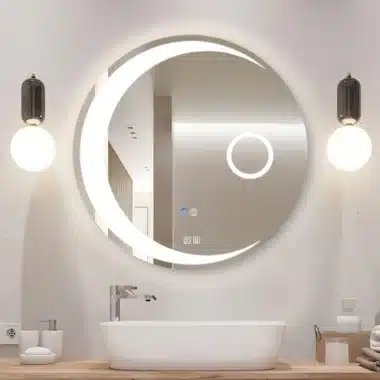
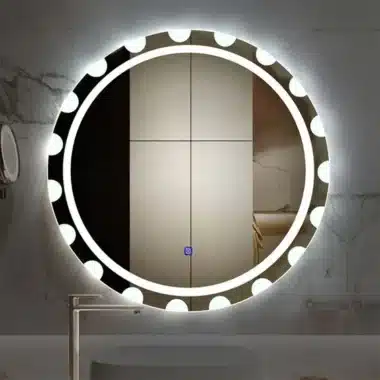
Backlit mirror advantages
Eliminating facial shadows
2️⃣ Correct Brightness (Lumens)
Recommended range (800–1600 lumens for vanity area)
Adjustable dimming benefits
3️⃣ Accurate Color Rendering (CRI 90+)
True skin tone visibility
Makeup precision
Grooming accuracy
Best Color Temperature for Detail Tasks
3500K–4000K for natural daylight effect
Avoid overly warm (2700K) for detailed grooming
Avoid overly cool (5000K+) for comfort
How LED Mirrors Improve Precision
Built-in task lighting
Balanced front illumination
Anti-fog clarity
Dimmable settings
Magnification zones
Benefits for Specific Tasks
Makeup Application
Even blending
True color matching
Shaving & Beard Grooming
Clear edge visibility
Reduced missed spots
Skincare & Tweezing
Close-up detail accuracy
Reduced eye strain
Layered Lighting Strategy for Maximum Accuracy
Ambient lighting
Task lighting
Accent lighting
Dimmers for flexibility
Small Bathroom? Maximize Lighting Efficiency
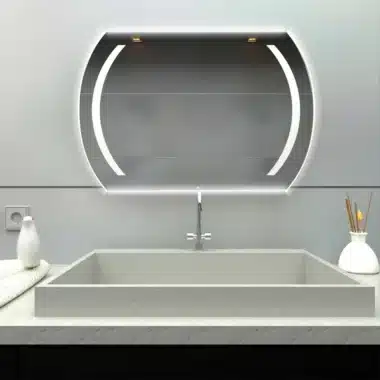
Vertical side lighting
Slim backlit mirrors
Reflective surfaces
Final Thoughts – Precision Starts with Proper Light
Confidence boost
Reduced mistakes
Improved daily routine
Modern upgrade value
FAQs (Optimized for AEO & Voice Search)
What lighting is best for makeup application?
How bright should vanity lighting be?
Is cool or warm light better for shaving?
Do LED mirrors provide enough task lighting?
What CRI is best for bathroom lighting?
This topic performs strongly for:
Beauty blogs
Grooming websites
Bathroom renovation sites
Smart home lighting blogs
Pinterest & YouTube tutorial crossover
Affiliate LED mirror content