
1. Kelvin (K): The Color Temperature Explained
Kelvin measures the color tone of light — not brightness.
3000K → Warm white (soft, yellow glow)
4000K → Neutral white (balanced, natural light)
5000K → Cool white/daylight (bright, crisp tone)
Why it matters:
Color temperature affects how your skin tone and makeup appear. For everyday grooming, 4000K is usually the sweet spot.
2. Lumens: How Bright Is It?
Lumens measure brightness output.
Higher lumens = brighter light.
For bathroom LED mirrors:
1,500–3,000 lumens → Standard functional brightness
Higher output → Ideal for large bathrooms or makeup precision
Important: Lumens are not the same as watts. Watts measure energy consumption, not brightness.
3. CRI (Color Rendering Index): The Accuracy Factor
CRI measures how accurately light displays colors compared to natural sunlight.
CRI 80+ → Good
CRI 90+ → Excellent (ideal for makeup and grooming)
Why it matters:
A higher CRI means your foundation shade looks the same indoors and outdoors.
If color accuracy matters to you, look for CRI 90 or above.
4. Backlit vs. Front-Lit Mirrors
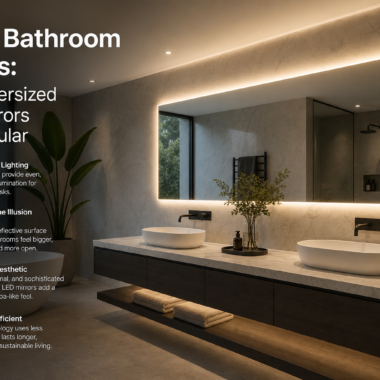
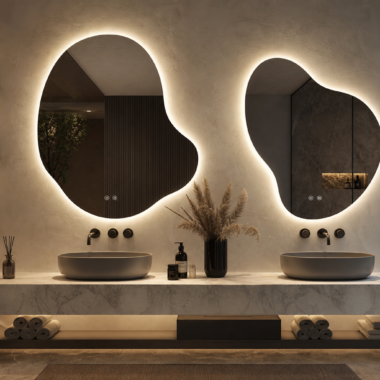
Backlit LED Mirrors
LEDs installed behind the mirror
Create a soft halo glow
Enhance ambiance and depth
Best for: Modern aesthetics and mood lighting.
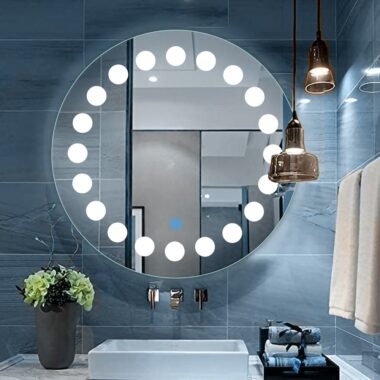
Front-Lit LED Mirrors
LEDs embedded within or around the front surface
Direct facial illumination
Better for makeup and shaving precision
Best for: Task lighting.
Many premium mirrors combine both.
5. RGB Lighting: Mood Control
RGB stands for Red, Green, Blue.
These mirrors allow you to:
Change colors
Create ambient effects
Customize lighting themes
RGB is ideal for atmosphere — not precision grooming (unless paired with white LED modes).
6. Dimmable Drivers & Brightness Control
A dimmable driver allows you to:
Adjust brightness smoothly
Avoid harsh glare
Customize lighting based on time of day
This is essential for:
Early mornings
Evening routines
Preventing eye strain
7. IP Rating: Water Resistance Explained
IP (Ingress Protection) ratings indicate protection against moisture and dust.
For bathrooms:
IP44 → Splash-resistant (common standard)
Higher IP rating → Greater water resistance
Always check IP ratings for bathroom safety.
8. Anti-Fog Heating Pads
Anti-fog mirrors include a concealed heating element behind the glass.
It:
Prevents condensation
Saves time after showers
Eliminates streaks
This feature is especially useful in humid environments.
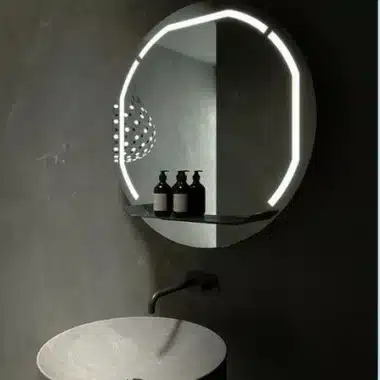
9. Edge-Lit vs. Direct-Lit
Edge-lit mirrors distribute light evenly from the sides
Direct-lit mirrors project light directly forward
Direct lighting offers stronger facial illumination, while edge lighting enhances visual softness.
10. Smart Integration Terms
You may also see terms like:
Bluetooth-enabled
Wi-Fi connectivity
Voice assistant compatible
Smart touch control
These indicate connectivity features beyond basic lighting.
Which Terms Actually Matter Most?
If you’re prioritizing performance, focus on:
✔ CRI 90+
✔ Adjustable color temperature
✔ Dimmable brightness
✔ Adequate lumens
✔ IP44 or higher for bathrooms
Everything else enhances convenience or aesthetics.
FAQs
What is the most important LED mirror specification?
CRI and color temperature are critical for grooming accuracy.
Are more lumens always better?
Not necessarily. Too much brightness can create glare. Balance is key.
Is backlit better than front-lit?
Backlit is more ambient; front-lit is better for task precision.
Do I need RGB lighting?
Only if you want mood customization. It’s not essential for grooming.
Final Thoughts
LED mirror terminology may sound technical — but once decoded, it’s simple.
Understanding terms like Kelvin, lumens, and CRI empowers you to choose a mirror that fits your space and routine — rather than relying on marketing buzzwords.
When you know the jargon, you shop smarter.