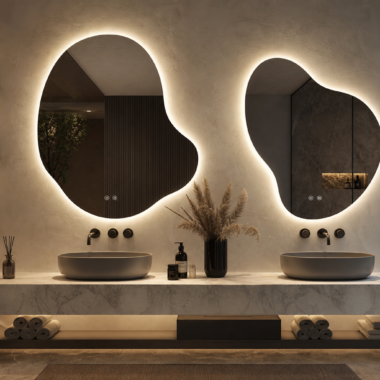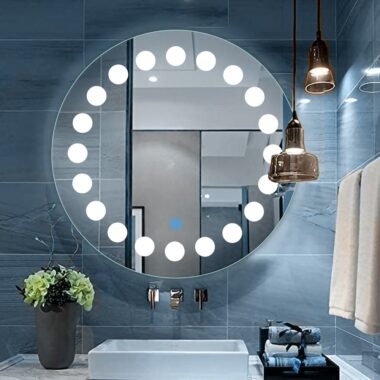

LED mirrors are an excellent addition to any space, offering both style and functionality with their integrated lighting. However, like all devices, LED mirrors may encounter problems over time. Below are some of the most common issues faced with LED mirrors and how to troubleshoot or fix them:
1. The LED Lights Aren’t Turning On
One of the most common issues is when the LED lights fail to turn on. This problem can stem from several causes:
Possible Causes:
- Power Supply Issues: The mirror may not be receiving power, or the battery may be dead (if it’s a battery-powered model).
- Loose Wiring: If it’s a wired LED mirror, the internal wiring might be loose or disconnected.
- Faulty Switch: The switch controlling the LED lights might be malfunctioning.
How to Fix It:
- Check the Power Source: If it’s a battery-powered mirror, ensure that the batteries are not drained. If it’s a rechargeable battery, plug it in to charge. For wired mirrors, check if the power source (outlet or fuse) is working.
- Inspect the Power Button: Try pressing the power button multiple times or holding it down for a few seconds. If it’s a touch sensor, make sure your fingers are clean and dry.
- Inspect the Wiring: If you’re comfortable with basic DIY, turn off the power, open the mirror casing, and check for any loose connections. Tighten any loose wires if possible.
2. Flickering or Dimming Lights
LED lights that flicker or become dim over time can be frustrating. This usually occurs in either battery-powered or wired mirrors and can affect the brightness of the lights.
Possible Causes:
- Power Supply Instability: For battery-powered mirrors, the issue could be a weak or low battery. For wired versions, the problem may stem from inconsistent power from the electrical supply.
- LED Burnout: Over time, the individual LEDs might burn out, causing flickering or dimming.
- Overuse: Continuous use of the LED lights for long periods may also cause overheating, leading to flickering.
How to Fix It:
- Replace the Batteries: For battery-operated LED mirrors, replace the old batteries with fresh, high-quality ones.
- Check for Overheating: Allow the mirror to cool down if it has been on for extended periods.
- Check for Faulty LEDs: Inspect the mirror closely to see if certain sections of the light are not working. If a few LEDs are faulty, they may need to be replaced (for some models, this may require professional help).
3. The Mirror Is Fogging Up
In bathrooms, mirrors often fog up due to the moisture in the air from hot showers. This can be particularly annoying when you need to use the mirror right after a shower.
Possible Causes:
- No Anti-Fog Feature: Not all LED mirrors come with a built-in anti-fog feature, so fogging is a common issue in high-moisture environments like bathrooms.
How to Fix It:
- Use Anti-Fog Spray: Apply an anti-fog spray designed for mirrors. This spray forms a thin layer on the mirror’s surface that helps prevent fogging.
- Install an Anti-Fog LED Mirror: If fogging is a persistent issue, consider replacing the mirror with one that includes an anti-fog function. Many modern LED mirrors have this built-in.
- Use a Hair Dryer: Quickly defog the mirror by using a hair dryer on a low setting. Hold it a few inches away from the mirror to avoid heat damage.
4. Touch Sensor Not Responding
Many LED mirrors come with touch sensors that allow you to adjust the lighting or turn the mirror on and off. If the touch sensor is not responding, it can be inconvenient.
Possible Causes:
- Dirty or Wet Sensor: The touch sensor may not work properly if it’s dirty or if moisture is on the surface.
- Electrical Malfunctions: A malfunction in the sensor’s wiring or the circuit board could also be the cause.
How to Fix It:
- Clean the Sensor Area: Gently wipe the sensor area with a soft cloth to remove dust, dirt, or moisture. Make sure your hands are dry before using the sensor.
- Reset the Mirror: Some touch sensor mirrors can be reset by turning the power off and on again. Check your user manual for specific instructions.
- Check the Wiring: If you’re comfortable, inspect the wiring behind the mirror to make sure the sensor is properly connected. If it’s a deeper electrical issue, it may be best to call in a professional.
5. The Mirror Is Loosening from the Wall
For mounted LED mirrors, there might be times when the mirror starts to loosen from its mounting bracket, which can be dangerous.
Possible Causes:
- Improper Installation: The mirror may not have been properly secured during installation.
- Wear and Tear: Over time, screws or brackets can become loose due to the weight of the mirror and regular use.
How to Fix It:
- Tighten the Screws: Use a screwdriver to check if the screws holding the mirror are loose. Tighten them to ensure the mirror stays in place.
- Reinstall the Mirror: If the mounting hardware is damaged or the screws are stripped, you may need to replace the screws or use different mounting anchors for a stronger hold.
- Check Wall Mounting: If the wall isn’t sturdy enough to support the mirror, consider using more robust anchors or shifting the mirror to a more secure location on the wall.
6. The Mirror Is Cracked or Damaged
Physical damage to the mirror surface, such as cracks or scratches, can occur from accidents or improper handling.
Possible Causes:
- Impact or Pressure: Dropping the mirror or applying too much pressure on it may cause the glass to crack.
- Excessive Force on Mounting: If the mirror is mounted improperly or the mounting screws aren’t secure, the mirror may fall, leading to damage.
How to Fix It:
- Replace the Mirror: Unfortunately, if the mirror’s glass is cracked or damaged, it may need to be replaced. Contact the manufacturer for replacement parts or consider buying a new mirror.
- Repair Scratches: Small scratches can sometimes be buffed out using a polishing compound, though this may not work for larger cracks.
7. The Mirror’s Lighting Is Uneven
If the LED lights appear to be uneven, with some parts brighter than others, this can affect both the aesthetic and functionality of the mirror.
Possible Causes:
- Loose LED Strips: The LED strips may not be properly affixed to the back of the mirror, causing light to spread unevenly.
- Worn-out LEDs: Some LEDs may be wearing out and can’t provide the same level of brightness as the others.
How to Fix It:
- Inspect the LED Strips: If you notice uneven lighting, check if the LED strips are securely attached to the back of the mirror. Press down gently to ensure they’re firmly in place.
- Replace Faulty LEDs: If individual LEDs are malfunctioning, you may need to replace the faulty lights or strips. Some LED mirrors allow you to replace individual lights without needing to replace the entire mirror.
8. Mirror Appears Distorted
If the reflection in your LED mirror appears distorted or blurry, it could be due to a manufacturing defect or a problem with the mirror itself.
Possible Causes:
- Defective Mirror: Manufacturing defects can sometimes result in distorted mirrors.
- Surface Scratches: Scratches on the reflective surface of the mirror can distort the image.
How to Fix It:
- Check for Scratches: Inspect the surface of the mirror for any visible scratches. If found, consider polishing them out (if minor) or replacing the mirror if the distortion is severe.
- Return or Replace: If the mirror appears distorted due to a manufacturing defect, contact the manufacturer for a return or replacement.
Conclusion
LED mirrors are generally low-maintenance devices, but like all products, they can experience occasional issues. By understanding the common problems that can occur and knowing how to troubleshoot or fix them, you can keep your mirror working smoothly for years. Regular maintenance, such as cleaning and checking for loose parts, will help prevent many of these issues. For more complex problems, like wiring or internal malfunctions, it’s best to contact the manufacturer or a professional for assistance.
Recommended Products
Based on this article, you might also like: