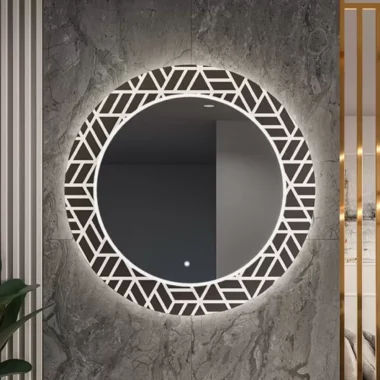
Understanding Your LED Mirror Type
Before deciding, determine whether your mirror is:
Plug-In LED Mirror
Connects to a standard wall outlet
Typically easier to install
Ideal for renters or quick upgrades
Hardwired LED Mirror
Connects directly to your home’s electrical wiring
Offers a seamless, built-in look
Requires electrical knowledge
The installation complexity varies significantly between these two types.
When DIY Installation Makes Sense
You can likely install the mirror yourself if:
✔ It’s a plug-in model
✔ No new wiring is required
✔ You’re comfortable using drills and anchors
✔ The mirror isn’t excessively heavy
Basic DIY Installation Steps:
Measure and mark mounting height
Use a level for alignment
Install wall anchors or brackets
Secure the mirror
Plug in and test lighting
Always follow manufacturer instructions closely.
When You Should Hire a Professional
Hiring a licensed electrician is recommended if:
The mirror is hardwired
You need new electrical wiring installed
You’re unsure about local electrical codes
The mirror includes advanced smart features
The wall requires structural reinforcement
Electrical mistakes can lead to safety hazards such as short circuits or fire risks. Professional installation ensures compliance with building codes and long-term reliability.
Safety Tips for Installing an LED Mirror
Whether DIY or professional, keep these safety guidelines in mind:
Turn Off Power
Always shut off electricity at the breaker before working near wiring.
Use Proper Wall Anchors
LED mirrors can be heavy. Secure mounting prevents accidents.
Check Moisture Ratings
Ensure the mirror is rated for bathroom humidity.
Follow Manufacturer Guidelines
Each model may have specific mounting and wiring requirements.
Cost Comparison: DIY vs Professional Installation
| Installation Type | Estimated Cost | Difficulty Level |
|---|---|---|
| DIY (Plug-In) | Low | Moderate |
| Professional (Hardwired) | Higher | Expert |
While DIY saves money upfront, professional installation may prevent costly repairs later.
Pros & Cons of DIY Installation
Pros
Lower upfront cost
Faster scheduling
Sense of accomplishment
Cons
Risk of improper wiring
Potential safety hazards
May void warranty if installed incorrectly
Final Verdict: DIY or Not?
If your LED mirror is plug-in and straightforward, DIY installation can be a manageable project. However, for hardwired or smart LED mirrors, hiring a licensed electrician is often the safest and smartest choice.
Your mirror upgrade should enhance your space — not create safety concerns.
When in doubt, prioritize safety over savings.