What Is Lighting Specification?
Lighting specification is the process of selecting and defining lighting fixtures and systems for a project.
This process includes:
choosing lighting types
determining brightness levels
specifying fixture placement
coordinating with architectural and electrical plans
A well-planned lighting specification ensures both functionality and aesthetic harmony.
Why Lighting Specification Is Important
Lighting plays a critical role in shaping how a space looks and functions.
Proper specification helps achieve:
comfortable illumination
visual balance
energy efficiency
architectural emphasis
Poor lighting choices can negatively impact both usability and design intent.
Understanding the Three Layers of Lighting
Ambient Lighting
Ambient lighting provides overall illumination for the space.
Examples include:
ceiling fixtures
recessed lights
LED panels
This layer establishes the base level of brightness.
Task Lighting
Task lighting focuses on specific activities.
Common applications include:
vanity lighting in bathrooms
desk lamps in workspaces
under-cabinet kitchen lighting
Task lighting improves visibility for detailed tasks.
Accent Lighting
Accent lighting highlights architectural features or décor.
Examples include:
wall washers
display lighting
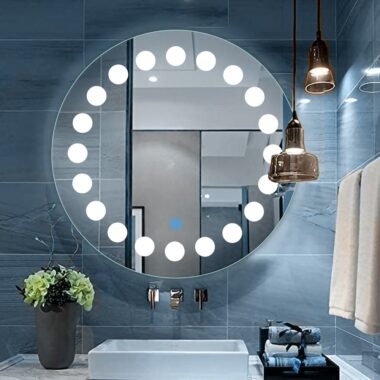
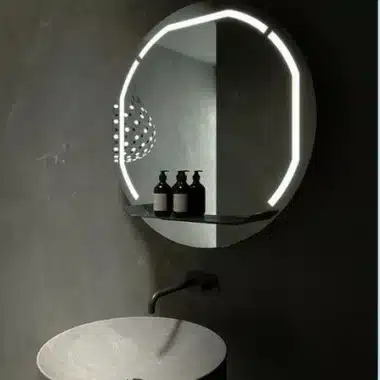
backlit mirrors
Accent lighting adds depth and visual interest.
Key Factors When Specifying Lighting
Brightness (Lumens)
Lumens determine the intensity of light produced by a fixture.
Designers should match brightness levels to the intended function of the space.
Color Temperature
Color temperature influences the mood of a space.
Typical ranges include:
2700K–3000K: warm, relaxing light
3500K–4000K: neutral white for task lighting
5000K+: cooler daylight-style illumination
Color Rendering Index (CRI)
CRI measures how accurately colors appear under a light source.
High CRI lighting is important for spaces such as:
bathrooms
retail environments
art displays
Energy Efficiency
Modern projects often prioritize energy-efficient lighting solutions.
LED fixtures are widely used because they:
consume less electricity
last longer than traditional bulbs
generate less heat
Integrating Lighting with Interior Design
Lighting should complement the overall design concept.
Architects and designers often coordinate lighting with:
ceiling design
materials and finishes
furniture layout
natural light sources
When integrated properly, lighting enhances both form and function.
Common Lighting Fixtures Used in Design Projects
Architectural lighting plans may include:
recessed lighting
pendant fixtures
wall sconces
track lighting
LED mirrors and illuminated panels
Each fixture type serves a specific role in layered lighting design.
Coordinating Lighting with Electrical Plans
Lighting specification also requires collaboration with engineers and contractors.
Designers typically provide:
fixture schedules
lighting layouts
mounting heights
electrical requirements
This coordination ensures the design can be successfully implemented during construction.
Common Mistakes in Lighting Specification
Some common issues include:
insufficient lighting layers
improper color temperature selection
poor fixture placement
ignoring glare control
Careful planning helps prevent these problems.
Final Thoughts: Lighting as a Design Tool
For architects and interior designers, lighting is more than a technical requirement.
It is a powerful design element that shapes:
atmosphere
visual hierarchy
spatial perception
Thoughtful lighting specification ensures that a project achieves both practical performance and aesthetic excellence.
FAQs (Optimized for Voice Search)
What is lighting specification in architecture?
Lighting specification involves selecting and detailing lighting fixtures, brightness levels, and placement for a project.
Why is layered lighting important?
Layered lighting improves functionality and visual depth by combining ambient, task, and accent lighting.
What is the best color temperature for interior lighting?
It depends on the space, but warm light is often used for relaxation, while neutral light is common for task-oriented areas.
Do architects design lighting plans?
Architects often collaborate with lighting designers and interior designers to create lighting plans that fit the project’s goals.